
Maximizing Savings in 2026: Incentives, Rebates & Tax Deductions for Commercial LED Lighting Retrofits
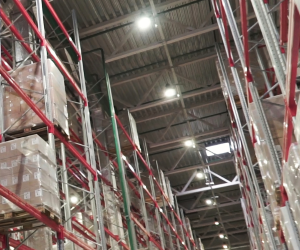
Upgrading to LED lighting remains one of the smartest, fastest-payback efficiency projects for commercial and industrial facilities. LEDs cut energy use, improve lighting quality, reduce maintenance, and enhance workplace safety. And in 2026, businesses still have access to valuable incentives, rebates, and federal tax deductions that help lower project costs and accelerate return on investment.
If your facility is considering a lighting upgrade, 2026 could be one of the last best years to take advantage of several major programs.
1. Federal Tax Deduction: Section 179D (Available Through Mid-2026)
The Section 179D Energy Efficient Commercial Buildings Deduction remains one of the most impactful financial incentives for LED lighting retrofits in 2026.
What It Covers
179D allows commercial building owners to claim a tax deduction based on the building’s square footage when they install energy-efficient improvements—including LED lighting systems.
How It Helps
Depending on the level of energy savings achieved, businesses may qualify for deductions ranging from:
- Base level: approximately $0.60 per sq. ft.
- Enhanced level: potentially up to $5.00+ per sq. ft. when projects meet prevailing-wage and high-performance requirements
For larger commercial or industrial facilities, this deduction can represent tens or hundreds of thousands of dollars in tax savings.
Important 2026 Deadline
Due to federal policy changes, projects must begin construction before June 30, 2026 to qualify for 179D.
This makes early planning essential for any lighting retrofit targeting 2026 installation.
2. Utility Rebates for LED Lighting (Active Throughout 2026)
While federal incentives are tightening, utility rebates remain widely available in 2026 and continue to be one of the biggest cost-reducers for LED retrofits.
What Utilities Typically Offer
Most utilities provide:
- Per-fixture rebates for LED high bays, troffers, tubes, wall packs, exterior fixtures, and more
- Rebates for lighting controls (occupancy sensors, daylight harvesting, dimming systems)
- Custom incentives based on watts reduced or energy savings achieved
These programs often offset 15–40% of total project cost—sometimes even higher for facilities that install advanced controls.
Pre-Approval Still Required
Nearly all utilities require rebate pre-approval before materials are purchased or installed. Businesses planning 2026 projects should begin rebate reviews early to lock in available funding.
3. State & Local Incentive Programs (Varies by Region)
In addition to utility rebates, many states continue to fund:
- Energy-efficiency grants
- Low-interest financing
- Bonus lighting incentives
- Commercial building efficiency programs
These incentives vary significantly by state and funding cycle, but they remain an important resource for reducing LED retrofit costs in 2026—especially for industrial, agricultural, and public-sector facilities.
4. Why 2026 Is a Strategic Year for LED Retrofits
With several federal provisions changing after mid-2026, this year is a critical window for businesses wanting to maximize savings.
Key reasons to act in 2026:
✔ 179D federal deductions remain available—but only until June 30, 2026
✔ Utility rebates are strong and widely available nationwide
✔ LED pricing is highly competitive, making ROI stronger than ever
✔ Energy savings stack year over year, reducing operating costs immediately
✔ Better lighting improves safety, productivity, and employee comfort
For many commercial and industrial properties, a 2026 LED upgrade delivers a typical 1–4 year payback when incentives are applied.
5. How Businesses Can Maximize Incentive Value
To get the most out of these programs:
- Start early — especially for projects that want to use 179D before the June 30 deadline.
- Get a rebate pre-approval from your utility to avoid missing out on funding.
- Use certified products (ENERGY STAR or DLC) to ensure eligibility.
- Bundle lighting controls to qualify for bonus incentives in many regions.
- Work with an experienced lighting contractor who understands both the technical requirements and the incentive paperwork.
Conclusion
For commercial and industrial businesses, 2026 remains an excellent year to upgrade to LED lighting. While federal incentives are shifting, there is still a powerful mix of tax deductions, state programs, and utility rebates available, many of which dramatically reduce the cost of a retrofit project.
Whether you’re motivated by lower energy bills, sustainability goals, improved lighting quality, or long-term operational savings, taking advantage of 2026’s incentive window can help your business achieve maximum value.