
Solar-Plus-Storage Becomes Core to Commercial Project
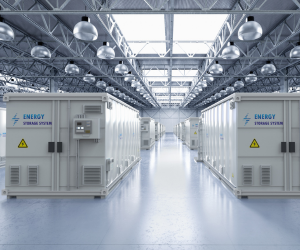
For years, commercial solar projects focused on one primary goal: reducing electricity costs by generating clean power on-site. Today, that conversation has evolved. Solar-plus-storage – the combination of solar photovoltaic (PV) systems with battery energy storage systems (BESS) is rapidly becoming a core component of commercial and industrial energy strategies.
As energy prices fluctuate, grid reliability concerns grow, and businesses demand more control over their power usage, adding battery storage alongside solar is no longer a “nice to have.” It’s becoming a competitive advantage and, in many cases, a necessity.
What Is Solar-Plus-Storage?
Solar-plus-storage pairs a solar array with on-site batteries that store excess energy generated during the day. Instead of exporting unused power back to the grid or wasting it, businesses can store that energy and use it later during peak pricing periods, after sunset, or during grid outages.
The result is greater flexibility, improved resilience, and stronger long-term financial performance from the solar investment.
Why Commercial Interest Is Accelerating
Several key factors are driving rapid adoption of solar-plus-storage in commercial and industrial projects:
1. Peak Demand and Energy Cost Control
Many commercial facilities face high demand charges or time-of-use (TOU) pricing. Batteries allow businesses to:
- Discharge stored energy during peak hours
- Reduce demand spikes
- Lower overall utility bills
This ability to shift energy use is especially valuable for manufacturers, cold storage facilities, warehouses, data centers, and large retail operations.
2. Improved Resilience and Business Continuity
Grid outages are becoming more frequent due to extreme weather, aging infrastructure, and increased demand. Battery storage provides:
- Backup power for critical loads
- Reduced downtime and operational risk
- Enhanced reliability without relying solely on diesel generators
For facilities where downtime equals lost revenue, storage delivers real operational value.
3. Better Use of On-Site Solar Production
Without storage, solar production is limited to daylight hours. Batteries extend the usefulness of solar by:
- Capturing excess midday production
- Powering operations after hours
- Increasing overall solar self-consumption
This maximizes the return on every kilowatt of solar installed.
Financial and Strategic Benefits
Solar-plus-storage isn’t just about resilience it’s a strategic financial decision.
- Lower long-term energy costs through peak shaving and load shifting
- Improved ROI by increasing solar utilization
- Protection against future utility rate increases
- Stronger ESG and sustainability reporting
As energy buyers become more sophisticated, storage is increasingly viewed as a hedge against uncertainty not just a backup system.
What to Expect in 2026 and Beyond
Looking ahead, industry momentum suggests solar-plus-storage adoption will accelerate even further in 2026:
- Falling battery costs and improved technology
- Growing demand from industrial energy buyers
- Increased focus on grid independence and resilience
- Broader acceptance of storage as standard project scope
For many commercial projects, the question is no longer if storage makes sense—but how much storage should be included from day one.
Final Takeaway
Solar-plus-storage is redefining what commercial solar projects can deliver. By combining clean energy generation with intelligent energy management, businesses gain control, resilience, and long-term cost stability.
For organizations planning facility expansions, energy upgrades, or new construction, integrating battery storage alongside solar is quickly becoming best practice and a smart investment for the future.